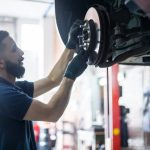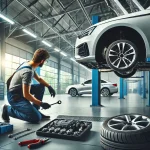
Darrick’s Preferred Auto has served Blooming Prairie drivers since April 2002. Known locally for fast turnaround, clear explanations, and a true know-you-by-name approach, the shop focuses on diagnosing problems correctly before they turn into costly repairs—an approach shaped by the experience of the technicians and service advisors who work with customers every day. Brake noise is one of the most common concerns drivers bring in—especially during southern Minnesota’s freeze–thaw seasons—because it’s often the first sign of wear or corrosion inside the braking system. When questions come up, drivers often want to understand how inspections are handled and what options exist for professional brake repair and maintenance.
As an ASE Blue Seal Shop and NAPA Auto Care Center, Darrick’s Preferred Auto performs brake inspections that are based on measurements and verification, not guesswork. The shop’s ASE-certified technicians and experienced service advisors focus on explaining what’s worn, what’s still serviceable, and what truly needs attention. Drivers from Blooming Prairie and nearby communities rely on the shop for accurate diagnostics, warranty-backed repairs, and practical convenience options like free rides, free loaner vehicles, and pickup or delivery within reason.
Why are my brakes squeaking or grinding and what it usually means for brake repair in Blooming Prairie MN
Brake squeaking and grinding are very different diagnostic clues. Around Blooming Prairie, these noises tend to follow predictable patterns—especially during freeze–thaw season, when moisture and road salt accelerate corrosion.
Brake squeaking is most often caused by:
- Normal pad wear indicators: Many brake pads include a small metal tab that contacts the rotor when pad material is getting low. The squeal is intentional—it’s meant to prompt professional brake repair before damage occurs.
- Pad material and glazing: Semi-metallic pads can be noisier than ceramic pads, and any pad can glaze when overheated from towing, repeated hard stops, or stop-and-go driving. Glazed pads often squeak under light braking.
- Moisture buildup: Overnight condensation or melting snow can leave a thin film on rotors. This often causes a brief squeak at low speeds during the first few stops.
- Road salt corrosion: Salt can create rust buildup on rotor edges and rough spots on braking surfaces, leading to rhythmic squeaks that change with wheel speed.
Brake grinding, however, is a much more serious warning:
- Metal-on-metal contact: When pads wear past the friction material, the steel backing plate contacts the rotor. This quickly damages rotors and generates excessive heat.
- Loose or broken hardware: Missing clips, damaged shims, or misaligned pads can cause harsh scraping noises.
- Severe rust scale: Vehicles that sit outside or aren’t driven daily may develop heavy rust flaking that produces a grinding sensation during braking.
A practical rule for local drivers:
- If a squeak only happens during the first stop or two of the day and disappears, monitor it or consider scheduling a check through an online brake inspection request if you want confirmation.
- If squeaking happens every drive or gets louder over a week, schedule a brake inspection.
- If you hear grinding even once while braking, treat it as urgent and avoid driving until it’s checked.
Brake noise checklist (quick self-check):
- Noise only on the first few stops: often moisture or light surface rust
- Noise mainly under light braking: often pad material or hardware vibration
- Noise under harder braking or with a longer stop: more concern for wear, rotor condition, or caliper issues
- Grinding: frequently metal-on-metal or failed hardware—urgent
- Noise plus vibration or pulsation: commonly rotor runout/thickness variation or uneven pad contact
(Any checklist is a starting point—an inspection confirms the cause.)
When to schedule same-day brake service:
- Grinding, scraping, or metal-on-metal sounds
- Brake noise combined with vibration, pulling, or warning lights
- Sudden changes in pedal feel, especially after towing or hauling
Brake repair in southern Minnesota—why ignoring brake noise is a safety risk on rural highways and gravel roads
Brake noise isn’t just inconvenient—it can signal reduced braking efficiency. On rural southern Minnesota roads, consistent braking performance matters for real-world conditions.
Common local driving challenges include:
- Wildlife crossings and limited visibility: Reduced initial brake bite can increase stopping distance.
- Farm equipment traffic: Closing speed builds quickly, and worn components reduce braking confidence.
- Gravel roads: ABS may cycle more often, but it can’t compensate for worn pads or damaged rotors.
- Towing and hauling: Trucks such as 2014–2023 Ford F-150s, Chevy Silverados, and GMC Sierras generate more brake heat, accelerating wear.
From a technical standpoint:
- Thin pads overheat faster and fade sooner.
- Rotors with runout or thickness variation can cause pulsation and inconsistent pad contact.
- Sticking calipers or seized slide pins create uneven braking and vehicle pull.
- Moisture-contaminated brake fluid boils at a lower temperature, potentially causing a soft or dropping pedal.
Treat these conditions as do-not-drive situations:
- Continuous grinding
- Pedal pulsation combined with noise
- Brake warning lights with abnormal sounds
- Pulling, burning smells, or smoke from a wheel
What a professional brake inspection in Blooming Prairie MN should actually include
A proper brake inspection goes far beyond looking through the wheel and is a key part of reliable brake repair and maintenance in Minnesota driving conditions. Drivers can review a detailed overview of professional brake repair and maintenance services in Blooming Prairie MN, but understanding what goes into a real inspection helps set expectations. At an ASE Blue Seal facility, the goal is to measure wear accurately and correct the root cause so noise doesn’t return—and to explain findings clearly so you know what’s needed now versus what can wait.
Brake pad measurement and wear analysis
- Inner and outer pad thickness is measured, since inner pads often wear faster when slide pins bind.
- Pads are inspected for taper wear, cracking, glazing, or contamination.
- Pad material selection is discussed based on use:
- Ceramic: quieter and lower dust
- Semi-metallic: stronger bite and heat tolerance
Rotor inspection and service decisions
- Rotor surfaces are checked for scoring, rust pitting, and heat spots.
- Runout and thickness variation are measured.
- Minimum discard thickness is verified. Many modern rotors—common on 2015–2022 Toyota Camry, RAV4, Honda Accord, and CR-V models—do not have enough excess material to be safely resurfaced.
Caliper, slide pin, and piston checks
- Slide pins are inspected for corrosion and proper movement.
- Pistons and seals are checked for smooth operation.
- Sticking components that cause uneven wear are addressed.
Brake hardware and lubrication standards
- Anti-rattle clips and pad hardware are inspected or replaced as needed.
- Rust is cleaned from pad contact points.
- High-temperature brake lubricant is applied only at approved locations. Incorrect lubrication is a common cause of repeat noise complaints.
Brake fluid condition testing
- Fluid is tested for moisture content.
- Exchanges are recommended based on condition, not mileage guesswork.
ABS and electronic parking brake evaluation
- Warning lights are scanned for stored faults.
- Electronic parking brake operation is verified when applicable.
Front vs rear brakes—what southern Minnesota drivers often don’t realize
Many drivers assume front brakes always wear first, but modern vehicles often tell a different story.
Rear brake wear is influenced by:
- Stability and traction control systems that frequently apply rear brakes on slippery roads
- Electronic parking brakes that can promote corrosion when vehicles sit
- Gravel and salt exposure that accelerates rust at hardware contact points
Common patterns seen during inspections include rear inner pads wearing faster than outers due to slide pin corrosion, or one rear wheel running hotter because of a dragging caliper.
A common brake repair pattern seen around Blooming Prairie
During harvest season, trucks and SUVs often see heavier loads and more frequent braking. A typical pattern starts with a low-speed squeak that comes and goes for a week or two, then progresses to grinding once towing or stop-and-go braking increases.
In these cases, pads are often already at the wear indicator stage, and a partially seized slide pin accelerates uneven wear. What could have been routine brake service turns into rotor replacement and additional labor. Catching the issue during the squeak phase usually prevents that escalation.
Practical brake noise tips from experienced technicians
- Persistent squeaking should be inspected, even if braking still feels normal.
- Grinding is never normal and should be treated as urgent.
- Steering wheel vibration at highway speeds often points to rotor runout or thickness variation.
- Pulling under braking usually indicates uneven caliper operation or contaminated pads.
- Noise during turning can point to hardware movement or backing plate contact.
- Not every noise is brake-related—bent dust shields or worn wheel bearings can sometimes mimic brake sounds, which is why proper inspection matters.
Lower-quality pads often generate more noise and dust and may not handle heat as well—an important consideration for trucks and SUVs used for towing in southern Minnesota.
Brake repair FAQ for Blooming Prairie MN and nearby communities
Is it safe to drive with squeaky brakes?
Occasional moisture-related squeaks may be normal, but persistent squeaking should be inspected.
How long do brake pads last in Minnesota conditions?
Service life varies widely, but salt, gravel roads, towing, and stop-and-go driving can shorten intervals significantly.
What causes brakes to grind suddenly?
Most often the friction material is fully worn and the backing plate contacts the rotor.
How long does a brake inspection take?
Most inspections are completed in about an hour and include measurements and component checks.
Can worn brakes affect ABS or traction control?
Yes. Uneven wear, rotor issues, and poor brake fluid condition can reduce system effectiveness.
Schedule brake repair in Blooming Prairie MN
If you’re ready to have brake noise inspected or want to get on the schedule, you can request brake service or schedule a professional inspection online at a time that works for you.
If you’re searching for brake repair near me in Blooming Prairie or nearby communities, don’t wait for a squeak to become a grind. Many drivers start by setting up an inspection online so concerns can be addressed before damage escalates. Early inspection often keeps repairs straightforward and prevents unexpected component damage.
Most brake inspections confirm either normal surface conditions (like moisture or light rust) or wear that’s approaching its safe limit—not a worst-case failure. Getting it checked early usually means clearer options, fewer surprises, and a safer outcome.
If you’re experiencing continuous grinding, pedal pulsation with noise, or brake warning lights accompanied by abnormal sounds, treat it as a do-not-drive situation and have the braking system inspected promptly.
Stay connected and get in touch
- Follow along for shop updates, tips, and community involvement on Facebook.
- If you’d rather talk to someone right away, call the shop at 507-583-9994.
- For questions or non-urgent requests, you can also send a message through the contact form and a team member will get back to you.